Indian Wedding Dress Code Explained for International Guests
Attending an Indian wedding as an international guest often brings one recurring question: what should be worn? Indian weddings typically span multiple functions, each with a distinct Indian Wedding dress code, colour expectation and level of formality. Understanding these codes in advance helps guests dress appropriately while feeling confident and comfortable throughout the celebrations.
This guide explains what to wear for the most common wedding functions, helping guests understand Indian wedding traditions with ease while selecting outfits that balance elegance, comfort and occasion-appropriate style.
Why Indian Weddings Have Multiple Dress Codes
What Is the Indian Wedding Dress Code?
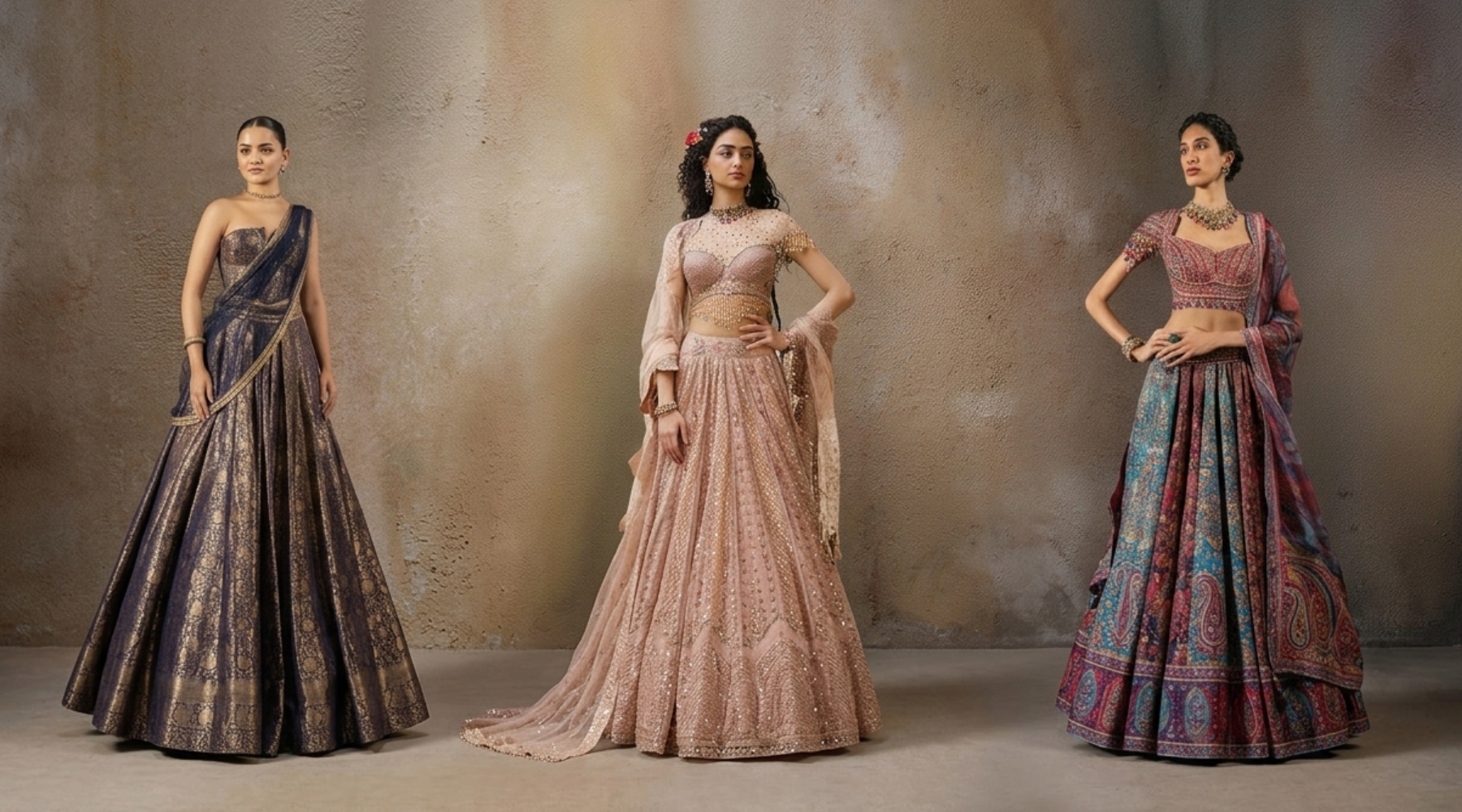
Unlike western weddings that often have a single dress code, Indian weddings feature several ceremonies, each with its own character. Guests are generally encouraged to wear traditional or Indian-inspired occasion wear that reflects the significance of each event.
Common choices include:
- Lehengas
- Sarees
- Kurta sets
- Sharara sets
- Jacket sets
- Contemporary draped silhouettes
Rich textiles, intricate embroidery and refined detailing are central to the Indian Wedding dress code. While evening functions usually call for more elaborate ensembles, daytime celebrations are often suited to lighter fabrics and softer embellishments.
Common Indian Wedding Functions and Their Dress Codes
- Mehendi: A daytime function, typically calling for bright colours, lighter fabrics, and comfortable silhouettes such as sarees, lehengas or kurta sets.
- Sangeet: An evening function centred around music and dance performances, where guests often opt for more festive, embellished outfits suited to movement, such as lehengas or sharara sets.
- Haldi: A ceremonial function involving turmeric application, usually calling for simple, light-coloured outfits, often in yellow tones, given the nature of the ritual.
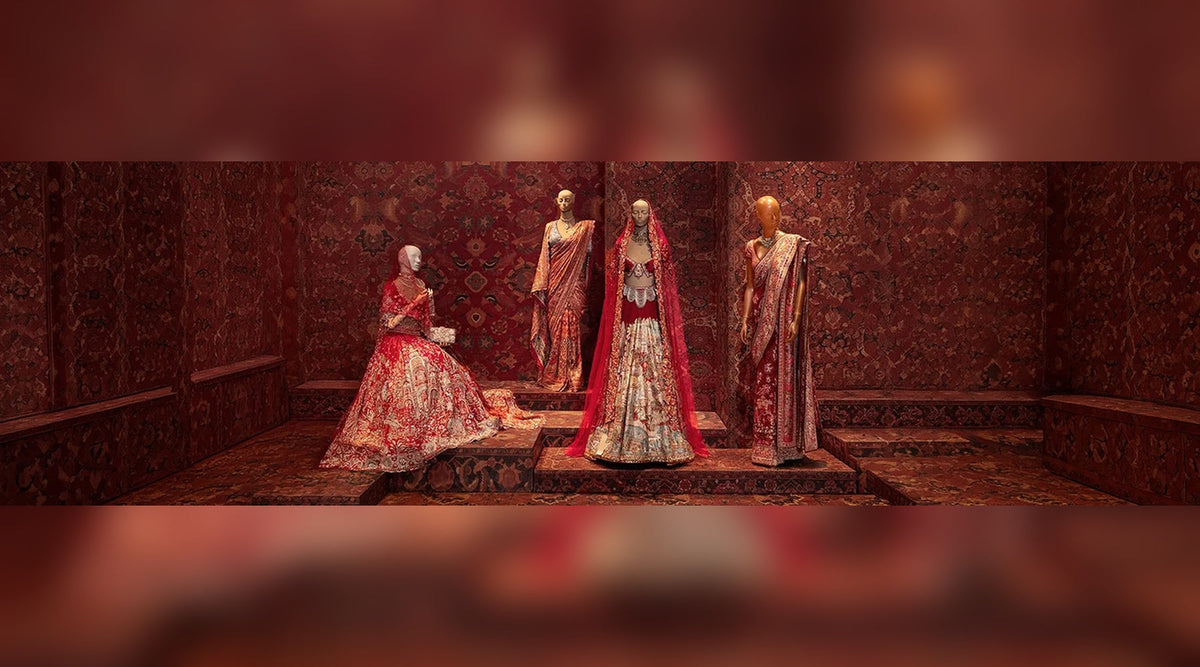
- Wedding Ceremony: The most formal of all functions, typically requiring rich fabrics, elaborate embroidery, and traditional colour palettes such as red, maroon or gold.
- Reception: An evening celebration following the wedding, where guests often choose more contemporary silhouettes, including structured lehengas, sarees or fusion ensembles.
Indian Wedding Dress Code Etiquette Every Guest Should Know
Beyond selecting the right outfit, understanding a few etiquette guidelines helps guests feel more comfortable throughout the celebrations.
- Choose attire suited to each ceremony rather than wearing the same outfit throughout the wedding.
- Prioritise comfort, especially during long celebrations.
- Opt for elegant footwear suitable for extended standing and walking.
- Coordinate accessories with the embroidery rather than choosing overly elaborate styling.
Our Picks for Indian Wedding Functions
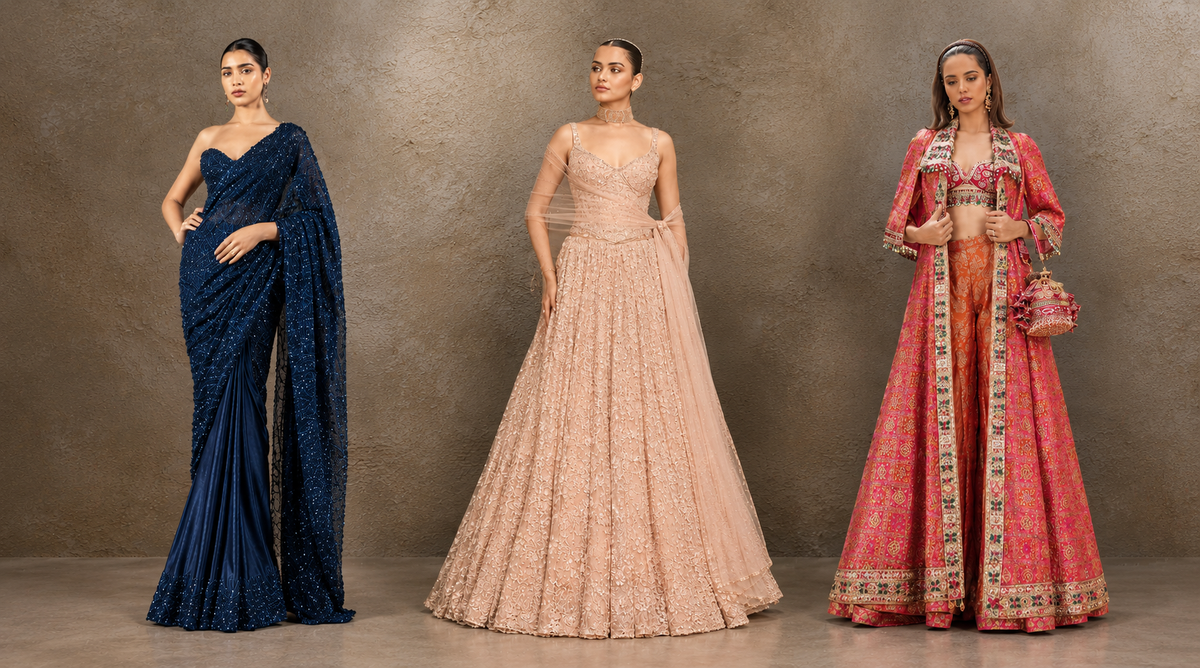
Ever Bloom Thread And Crystal Embroidered Lehenga

This lehenga features a corset drape lehenga in tulle fabric, embellished with thread and crystal embroidery. Presented in blush, its softer palette and structured corset base make it particularly well suited to a sangeet or reception, where its embellishment catches evening light effectively while remaining comfortable for extended movement and dancing.
Golden Light Sequin Saree with Embroidered Corset

This saree combines sequin embroidery on a satin base with a complementing sequin embroidered corset, offering a fluid yet structured silhouette. In blue, this saree suits an evening reception or sangeet, where its shimmer and contemporary corset pairing align well with a festive, celebratory dress code.
Timeless Aari Embroidered Kalidar Kurta & Sharara Set

This set features an Aari embroidered kalidar kurta, highlighted with crystal, sequin, pearl and bead embellishments, paired with a hand-embroidered sharara and textile dupatta, all crafted in sheer silk. Presented in a multi colourway, this ensemble is well suited to a sangeet or mehendi, offering ease of movement alongside detailed embroidery appropriate for a daytime or early evening function.
Golden Light Lace Concept Saree

This saree pairs embroidered lace with an embroidered bodysuit, offering a more contemporary interpretation of traditional saree draping. In mocha, this saree suits a reception setting, where its refined, understated embellishment complements a more formal, evening dress code.
Quintessence Gharchola Embroidered Jacket Set

This set includes a Gharchola textile jacket embellished with beads, kundan and gota along the collar and borders, paired with an embroidered bustier and brocade flared pants. In a multi colourway, this ensemble suits a sangeet or reception, where its jacket-and-trouser format offers a distinctive, fusion-forward alternative to a traditional lehenga or saree.
Common Indian Wedding Dress Code Mistakes Guests Should Avoid
Attending an Indian wedding for the first time can feel unfamiliar, particularly because every celebration has its own traditions and level of formality. While there is flexibility in personal style, avoiding a few common mistakes helps ensure your outfit feels appropriate for every occasion.
- Choosing an outfit that is too casual: Indian weddings are celebratory occasions where guests are generally expected to dress in formal or festive attire. Everyday clothing or overly simple outfits may feel out of place.
- Wearing the same outfit to every ceremony: Each function has its own atmosphere and dress code. Selecting different silhouettes or varying your styling across events shows consideration for the occasion and the hosts.
- Choosing excessively elaborate attire: While Indian weddings are known for their grandeur, guests should avoid outfits that resemble bridal wear. The goal is to look elegant without drawing attention away from the couple.
- Prioritising appearance over comfort: Wedding celebrations often extend over several hours. Lightweight fabrics, comfortable footwear and well-tailored silhouettes allow you to enjoy every event with ease.
- Ignoring the event schedule: Daytime ceremonies generally call for lighter, more relaxed dressing, while evening celebrations often feature richer fabrics and more detailed embellishments. Matching your outfit to the timing of the event creates a more appropriate overall look.
- Over-accessorising the outfit: Statement jewellery can beautifully complement Indian occasion wear, but every accessory should work in balance with the outfit. A thoughtfully styled look often feels more refined than wearing multiple statement pieces together.
In Conclusion
Understanding the Indian wedding dress code comes down to recognising the distinct functions within the celebration and dressing appropriately for each one's formality, timing and setting. From the vibrant ease of a mehendi outfit to the refined embellishment expected at the main ceremony, thoughtful outfit selection allows international guests to participate confidently and respectfully in every part of the celebration.
Collections by Tarun Tahiliani offer thoughtfully designed silhouettes that combine traditional craftsmanship with contemporary elegance, making them well suited for guests seeking refined occasion wear across every stage of an Indian wedding celebration.
Frequently Asked Questions
1. What is the Indian wedding dress code for guests?
Guests are generally expected to wear traditional or Indian-inspired occasion wear such as lehengas, sarees, kurta sets or sharara sets that suit the formality and timing of each ceremony.
2. Can guests wear western outfits to an Indian wedding?
Smart western formalwear may be appropriate for some receptions, but traditional Indian attire is generally preferred for wedding ceremonies and pre-wedding celebrations.
3. What colours are suitable for Indian wedding guests?
Rich jewel tones, pastels, metallics, and elegant neutrals are all suitable. The best choice depends on the event, season and any dress code shared by the hosts.
4. What should I wear to an Indian wedding reception?
Reception attire often includes elegant sarees, contemporary lehengas, concept sarees or sophisticated jacket sets with refined embellishments suitable for evening celebrations.
5. Do I need different outfits for every Indian wedding function?
Yes. Since each ceremony has its own atmosphere and level of formality, wearing different outfits helps match the occasion while ensuring comfort throughout the celebrations.