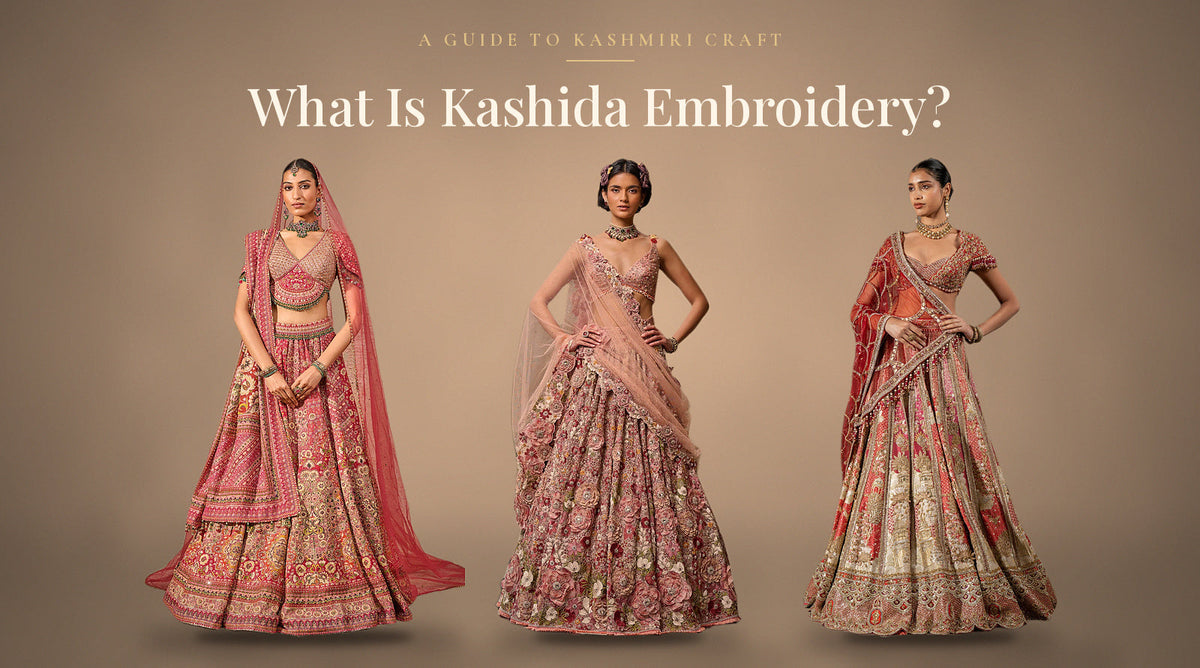
Article: What Is Zardozi? Understanding the Art of Gold Embroidery in Indian Couture
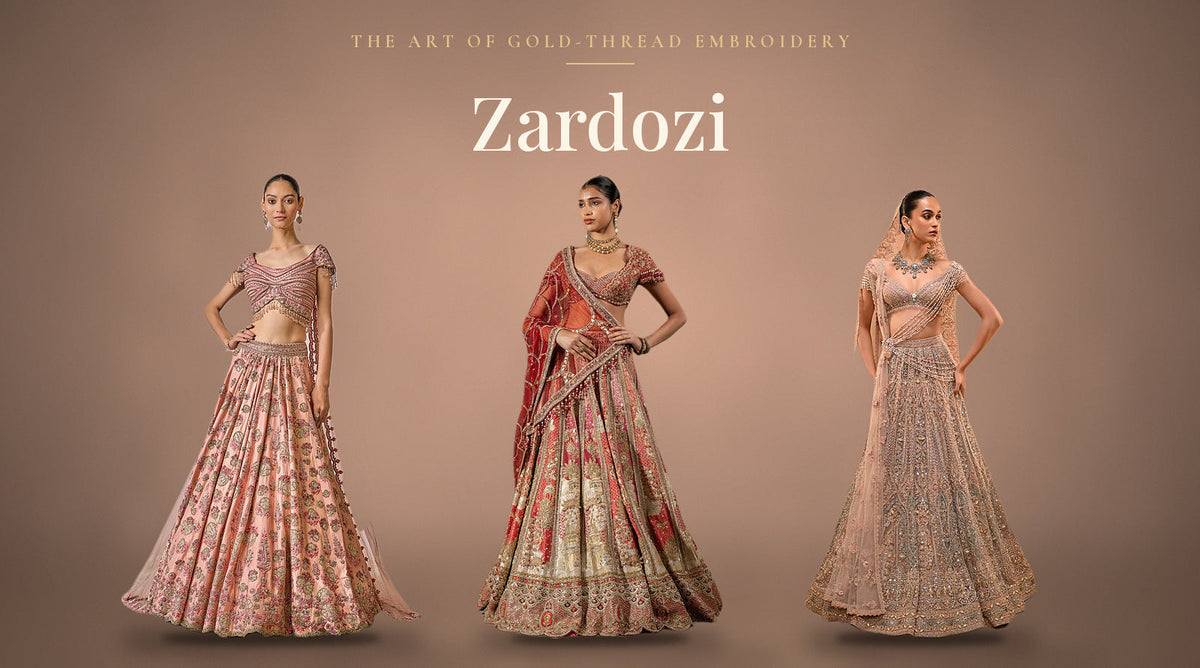
What Is Zardozi? Understanding the Art of Gold Embroidery in Indian Couture
Indian couture is known for its intricate craftsmanship, rich textiles and embroidery traditions that have been passed down through generations. Among these techniques, Zardozi holds a special place for its use of metallic threads and detailed handwork. Traditionally associated with royal garments and ceremonial attire, this embroidery continues to add depth, texture and a distinctive finish to contemporary Indian fashion.
From elaborate bridal lehengas and embroidered sarees to sherwanis and formal occasionwear, Zardozi is valued for the artistry involved in every detail. Its raised metallic patterns, decorative motifs and carefully placed embellishments make each design visually distinctive. Understanding its origins, materials and techniques offers a closer look at why this traditional craft remains an important part of Indian couture.
For those interested in exploring this traditional craft through contemporary couture, Zardozi brings together designs that celebrate the richness of Indian embroidery. At Tarun Tahiliani, this craftsmanship finds expression in elaborate bridal ensembles, where traditional handwork is combined with considered silhouettes, layered details and intricate embellishments.
What Is Zardozi Embroidery?
Zardozi is a traditional form of metallic embroidery in which decorative patterns are created using gold- or silver-coloured threads and other embellishments. The word is commonly associated with the Persian terms zar, meaning gold, and dozi, meaning embroidery. Together, they describe the art of creating decorative embroidery with metallic threads.
Unlike simple surface embroidery, Zardozi often creates a raised and textured effect. Artisans use metallic elements to form floral patterns, paisleys, foliage, borders and intricate ornamental designs. Depending on the garment, the embroidery may also incorporate pearls, sequins, crystals, beads and cutdana.
The result is a detailed surface that catches the light and adds dimension to the fabric. This is why Zardozi work is frequently used in bridalwear, festive clothing and formal couture.
Zardozi Embroidery History: From Royal Courts to Indian Couture
The history of Zardozi embroidery is closely connected with Persian craftsmanship and the movement of textile traditions across regions. The technique became particularly prominent in India during the Mughal period, when royal patronage encouraged the development of elaborate embroidery for garments, furnishings and ceremonial textiles.
Under royal patronage, artisans developed detailed patterns using metallic threads and decorative materials. These designs were often associated with luxury, status and formal occasions. Over time, the craft became established in different parts of India, with regional artisans developing their own approaches to motifs, materials and workmanship.
Lucknow became one of the important centres for this craft. Lucknow Zardozi is recognised for its detailed hand embroidery and traditional motifs, with artisans continuing to preserve and practise the technique.
Today, Zardozi has moved beyond royal garments and traditional ceremonial clothing. It is used in contemporary Indian couture across lehengas, sarees, blouses, jackets and sherwanis. Designers continue to explore its possibilities by combining traditional embroidery with modern silhouettes, layered fabrics and varied embellishments.
Zardozi Meaning and Its Importance in Indian Fashion
The meaning of Zardozi is closely associated with gold-thread embroidery. Traditionally, metallic threads were used to create elaborate designs that reflected the richness of royal and ceremonial clothing.
Its importance in Indian fashion goes beyond appearance. Zardozi represents a detailed craft that requires patience, precision and an understanding of traditional embroidery methods. Each motif is carefully developed, and the placement of metallic elements contributes to the overall pattern and texture.
In contemporary fashion, Zardozi allows designers to bring traditional Indian craftsmanship into modern clothing. It can be used as an all-over embellishment or as a highlight on selected areas of a garment, such as the neckline, sleeves, borders or dupatta.
Zardozi Embroidery Materials: What Goes Into the Craft?
The materials used in Zardozi embroidery contribute to its characteristic metallic appearance and raised texture. The selection depends on the design, fabric and level of embellishment required.
Common materials include:
-
Metallic threads: Gold- or silver-coloured threads form the foundation of traditional Zardozi patterns.
-
Dabka: Coiled metallic wire used to create raised and textured embroidery.
-
Kora and nakshi: Decorative metallic elements used to create detailed patterns and dimensional effects.
-
Sequins: Small reflective embellishments that add shine to the embroidered surface.
-
Cutdana and beads: Used to introduce texture, detail and decorative highlights.
-
Pearls and crystals: Added to selected motifs to create contrast and enhance the overall design.
-
Base fabrics: Silk, velvet, tulle and other suitable fabrics provide the surface for embroidery, depending on the garment.
The combination of these materials allows artisans to create designs ranging from delicate borders to elaborate bridal patterns.
Zardozi Embroidery Techniques: How Is It Created?
Zardozi embroidery involves a series of detailed processes that require skilled craftsmanship. While the exact method can vary according to the design and materials, the work generally follows a few key stages.
1. Preparing the Design
The embroidery pattern is first planned according to the garment and its intended placement. Traditional motifs often include flowers, leaves, paisleys and ornamental patterns. The design is then transferred onto the fabric to guide the embroidery.
2. Preparing the Fabric
The fabric is secured so that it remains stable during the embroidery process. This helps artisans maintain the alignment and consistency of the pattern while working on intricate details.
3. Creating the Metallic Embroidery
Metallic threads and decorative elements are carefully placed along the planned design. Depending on the technique, the materials may be stitched, couched or secured to the fabric to create the desired pattern and raised effect.
4. Adding Decorative Details
Additional elements such as dabka, sequins, beads, pearls and crystals may be incorporated to create texture and variation. These details contribute to the richness of the finished embroidery.
5. Finishing the Work
Once the embroidery is complete, the garment is checked for loose threads, uneven placement and finishing details. This final stage helps ensure that the embroidered surface is neat and the design is properly presented.
Zardozi Work in Contemporary Indian Couture
Zardozi continues to be an important feature of Indian couture because it works across different garment styles and occasions. Designers use it to create traditional bridal looks as well as contemporary ensembles that retain the character of Indian hand embroidery.
Here are some ways the craft appears in modern occasionwear.
1. Zardozi Embroidery Lehenga for Bridal Celebrations
A Zardozi embroidery lehenga is often chosen for its elaborate detailing and traditional appeal. Metallic embroidery can be used across the skirt, blouse and dupatta, creating a coordinated look for wedding ceremonies and other formal celebrations.
SOL Blouse Lehenga Veil Wings – Blush

The SOL Blouse Lehenga Veil Wings in Blush features a Zardozi work bridal lehenga with contrasting motifs. It is paired with an intricately embroidered blouse, a matching dupatta and a graceful veil.
The ensemble uses silk dupion for the blouse and lehenga, with tulle for the veil and wings. Its blush colour offers a softer interpretation of an elaborate bridal silhouette.
SOL Blouse Lehenga Veil Wings – Wine

The SOL Blouse Lehenga Veil Wings in Wine brings the same Zardozi-inspired bridal craftsmanship into a deeper colour palette. The lehenga features contrasting motifs and is paired with an embroidered blouse, matching dupatta, veil and wings.
The blouse and lehenga are crafted in silk dupion, while the veil and wings use tulle. Its wine colour creates a rich look suited to traditional wedding celebrations.
2. Zardozi, Crystals and Kashida in Pichwai-Inspired Lehengas
Zardozi can also be combined with other embroidery and embellishment techniques to create more detailed couture pieces. The combination of metallic work, crystals and thread embroidery adds variation to the surface while allowing different motifs to come together.
Quintessence Signature Pichwai Embellished Lehenga

The Quintessence Signature Pichwai Embellished Lehenga combines Zardozi, crystals, threadwork and Kashida embroidery. It is paired with a complementary embroidered blouse, a hand-embroidered dupatta and a crystal-encrusted drape.
Crafted using silk dupion and tulle in shades of red, the ensemble brings together multiple decorative techniques across its layered components.
Ever Bloom Pichwai Embellished Lehenga

The Ever Bloom Pichwai Embellished Lehenga features Zardozi, crystals, threadwork and Kashida. The red silk dupion lehenga is paired with an embroidered blouse, dupatta and veil.
Its combination of embroidery and embellishments highlights how traditional techniques can be brought together within a coordinated bridal ensemble.
3. Baroque-Inspired Zardozi Bridal Craftsmanship
For a more elaborate bridal look, Zardozi can be combined with crystals, cutdana, sequins and threadwork. These elements create a richly detailed surface and allow different textures to complement one another.
Baroque Shahi Zardozi Bridal Lehenga

The Baroque Shahi Zardozi Bridal Lehenga features Zardozi-inspired detailing highlighted with crystals, threadwork, cutdana and sequins. The aqua-blush Indian tulle ensemble is paired with a complementary blouse, tassel drape, embroidered dupatta and veil.
The combination of decorative elements and layered components creates an elaborate bridal ensemble rooted in traditional Indian craftsmanship.
Where Is Zardozi Work Commonly Used?
Zardozi is versatile and can be incorporated into several types of Indian garments and accessories. Its use depends on the design, fabric and occasion.
- Zardozi embroidery lehenga: Used across skirts, blouses and dupattas for detailed bridal and festive ensembles.
- Zardozi embroidery saree: Metallic embroidery can highlight saree borders, pallus and selected motifs, creating an ornate look for formal occasions.
- Zardozi work suit: Embroidered necklines, sleeves, hems and dupattas can add a traditional finish to festive and occasionwear suits.
- Zardozi sherwani: Metallic motifs and decorative embroidery can enhance sherwanis worn for wedding ceremonies and formal celebrations.
- Blouses: Zardozi detailing can be used on necklines, sleeves and backs to complement sarees and lehengas.
- Dupattas and veils: Embroidered borders and motifs add detail to bridal and festive styling.
How to Style Zardozi Embroidered Outfits
Since Zardozi garments often feature detailed embroidery, thoughtful styling can help maintain a balanced look.
-
Choose complementary jewellery: If the garment has extensive metallic work, consider jewellery that complements rather than competes with its detailing.
-
Balance the embellishments: Let one element, such as an embroidered lehenga or a detailed blouse, take the lead.
-
Consider the occasion: Elaborate Zardozi ensembles are suited to formal celebrations, while lighter embroidery can work for other festive functions.
-
Pay attention to the drape: Arrange dupattas, veils and layered elements so the embroidery remains visible without restricting movement.
-
Follow garment care instructions: Delicate embroidery and embellishments require careful handling. Always refer to the garment's specific care guide.
Frequently Asked Questions About Zardozi
1. What is Zardozi embroidery?
Zardozi is a traditional Indian form of metallic embroidery that uses gold- or silver-coloured threads and decorative elements to create intricate, often raised patterns on fabric.
2. What does Zardozi mean?
The term is commonly associated with the Persian words zar, meaning gold, and dozi, meaning embroidery. It refers to decorative embroidery using metallic threads.
3. What is the difference between Zardozi and Zari work?
Both techniques use metallic elements, but the terms are not interchangeable in every context. Zari generally refers to metallic thread used in embroidery and weaving, while Zardozi describes a form of decorative embroidery that may combine metallic threads with elements such as dabka, sequins, beads and other embellishments.
4. What materials are used in Zardozi embroidery?
Common materials include metallic threads, dabka, kora, nakshi, sequins, cutdana, beads, pearls and crystals. The choice depends on the design and the fabric being embroidered.
5. What are the main Zardozi embroidery techniques?
Zardozi involves transferring a design onto fabric and securing metallic threads and decorative elements to create patterns. Techniques can include couching and the use of coiled metallic wires and other embellishments to build texture.
6. Why is Lucknow known for Zardozi?
Lucknow is one of India's recognised centres for Zardozi craftsmanship. Its artisans are known for detailed hand embroidery and the continued practice of traditional motifs and techniques.
7. Can Zardozi embroidery be used on sarees and sherwanis?
Yes. Zardozi can be used on sarees, blouses, lehengas, sherwanis, suits, dupattas and other occasionwear. Its placement and level of embellishment vary according to the garment and design.
8. How should Zardozi embroidered garments be cared for?
Care depends on the fabric and embellishments used. Follow the product's care instructions and avoid rough handling, excessive friction and unsuitable washing methods. Delicate pieces may require professional cleaning.
Discover the Art of Zardozi with Tarun Tahiliani
Zardozi represents a lasting connection between traditional Indian craftsmanship and contemporary couture. Its metallic threads, detailed motifs and intricate embellishments continue to bring character to bridal lehengas, sarees and formal occasionwear.
Through a combination of traditional embroidery and modern design, Tarun Tahiliani presents Zardozi in a range of elaborate couture creations. Explore The Art of Zardozi collection to discover designs that celebrate this enduring Indian craft.